
How can we grow thick, healthy black hair in our daily life?
- jingjing xue
- No Comments
In today’s society, scalp and hair health problems have become a concern for many people, and are becoming more widespread and affecting younger people.Data shows that more than half of the world’s population is affected by scalp or hair problems, such as hair loss, gray hair, oily scalp, sensitive scalp, and abnormal dandruff. These problems are closely related to a variety of factors, including high-intensity work pressure, staying up late, excessive tension and anxiety, and inappropriate eating habits.In addition, frequent dyeing and perming, as well as the use of harsh shampoos and conditioners, are increasingly causing dry, frizzy, and brittle hair, and damage to the scalp barrier.These problems not only affect one’s appearance, but also reflect the contradiction between people’s work and life habits and their health status. Proper care and lifestyle adjustments have become the key to improving the current state of hair.
So how can we grow thick, healthy black hair in our daily life?
Traditional Chinese medicine believes that “the health of the kidneys is reflected in the hair, and hair is a surplus of blood.” The health of hair is closely related to the function of internal organs, the abundance of qi and blood, the smooth flow of meridians, and the harmony of emotions. Only when the internal organs are in harmony, the qi and blood are sufficiently nourished, and the correct external care and healthy lifestyle are combined, can black, thick, and healthy hair grow.
Internal adjustment: Nourishing the internal organs, replenishing qi and blood, and strengthening the foundation for hair growth.
(1)Abundant kidney qi is fundamental
Traditional Chinese medicine regards the kidneys as the “foundation of innate essence”.The kidneys store essence, which generates blood, and blood nourishes hair.When kidney essence is sufficient, hair follicles are continuously nourished, and hair can grow strong, black and shiny. If kidney essence is deficient, hair follicles will not be nourished, and hair will easily become dry, brittle, or even turn gray prematurely.
While innate endowment is the foundation for influencing kidney essence, postnatal care is equally crucial.Excessive fatigue, prolonged illness, and frequent late nights can all deplete kidney essence, leading to insufficient resources for hair growth.Regular sleep patterns, avoiding excessive sexual activity, and consuming appropriate amounts of black foods such as black sesame seeds, black beans, black rice, and black fungus, along with foods that nourish kidney essence such as walnuts and almonds, can help replenish kidney essence and lay a solid foundation for healthy hair.
(2)Sufficient Qi and Blood are the Source of Nourishment
Hair growth depends on the nourishment of blood and qi; the saying “hair is the surplus of blood” embodies this idea.When Qi and blood are abundant, blood can be transported to the hair follicles on the top of the head, providing sufficient nutrition to the hair, making it grow rapidly, thick and resilient; if Qi and blood are insufficient, the hair follicles will not be nourished, and the hair will suffer from problems such as hair loss, thinning, dryness and yellowing due to “malnutrition”.
The spleen and stomach are the “foundation of acquired constitution and the source of qi and blood production.”Only when the spleen and stomach are functioning well can the essence of food be transformed into qi and blood.In daily diet, we can follow the dietary principles of “warm, soft, bland, and well-cooked”. Eat more foods that strengthen the spleen, such as yam, barley, millet, pumpkin, and red dates. Avoid overeating, dieting, and picky eating. Eat less raw, cold, and greasy foods to reduce the burden on the spleen and stomach, so that the production of qi and blood can be sufficient to nourish the hair continuously.
(3)Soothe the liver and regulate qi, promote blood circulation and unblock the meridians
The liver governs the free flow of qi. Long-term anxiety, depression, and irritability can lead to stagnation of liver qi, poor circulation of qi and blood, and blockage of the meridians in the head. As a result, the “nutrient delivery to the hair is obstructed,” and even if there is sufficient essence and blood, it is difficult to nourish the hair follicles.Therefore, maintaining a cheerful mood and a peaceful state of mind, reducing anxiety, and ensuring the smooth flow of liver qi can create a good internal environment for healthy hair and alleviate the impact of emotional stress on qi and blood.
External care: Unblocks meridians, protects hair follicles, and optimizes the hair growth environment.
The core of external care is to ensure smooth blood and qi circulation in the head and prevent damage to hair follicles. It works directly on the scalp through physical stimulation and nourishment with traditional Chinese medicine, combined with internal adjustment to achieve twice the result with half the effort.
(1)Head meridian unblocking: promotes blood and qi flow directly to hair follicles
Unobstructed meridians in the head are a prerequisite for hair to receive nutrients. Daily methods such as massage, combing, and moxibustion can promote blood circulation in the head.
Daily massage: Massage our scalp with our fingertips for 10 minutes every day, focusing on Baihui acupoint, Fengchi acupoint, and Touwei acupoint.Massage until the scalp feels slightly warm, and avoid scratching with your fingernails to prevent damage to the hair follicles.
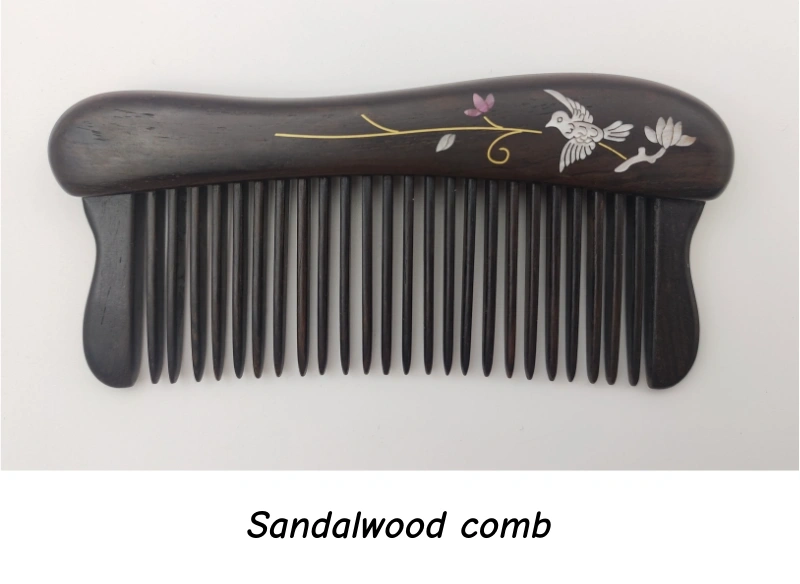
Combing hair: Use a wooden comb or horn comb to comb our scalp 100 times a day. Keep the comb close to our scalp and use gentle pressure. Comb the top of our head, the temples on both sides, and the back of our head. This can not only unblock the meridians but also clean the scalp and reduce oil buildup.
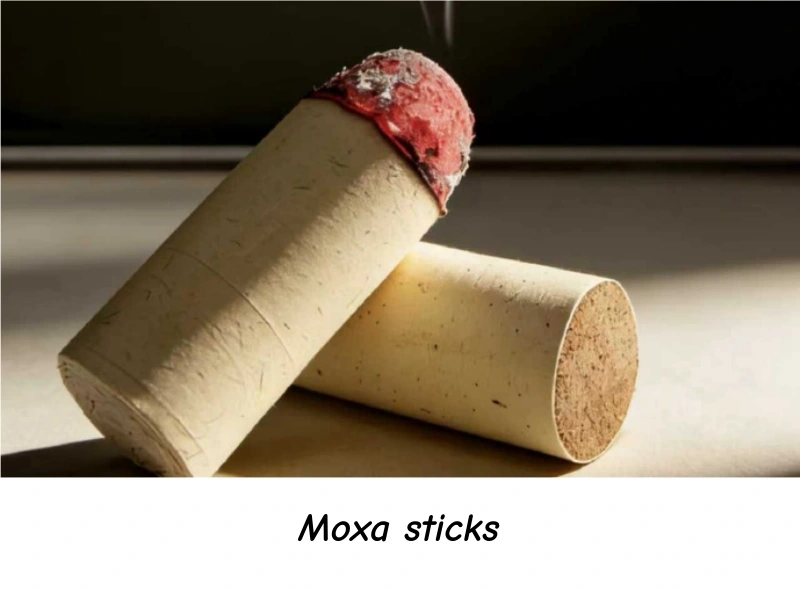
Moxibustion for warming and unblocking: For those with a cold constitution (accompanied by cold hands and feet, and aversion to cold), moxibustion can be applied to Baihui and Fengchi acupoints 2-3 times a week, for 5-10 minutes each time, to warm and unblock the meridians, replenish qi and blood, and improve the problem of poor qi and blood circulation in the head.
(2)External application of traditional Chinese medicine for nourishment: repairing hair follicles and improving scalp environment
Utilizing the nourishing, blood-activating, and heat-clearing effects of traditional Chinese medicine, it acts directly on hair follicles through fumigation, external application, and other methods to repair damaged hair follicles and provide local nutrition to the hair.
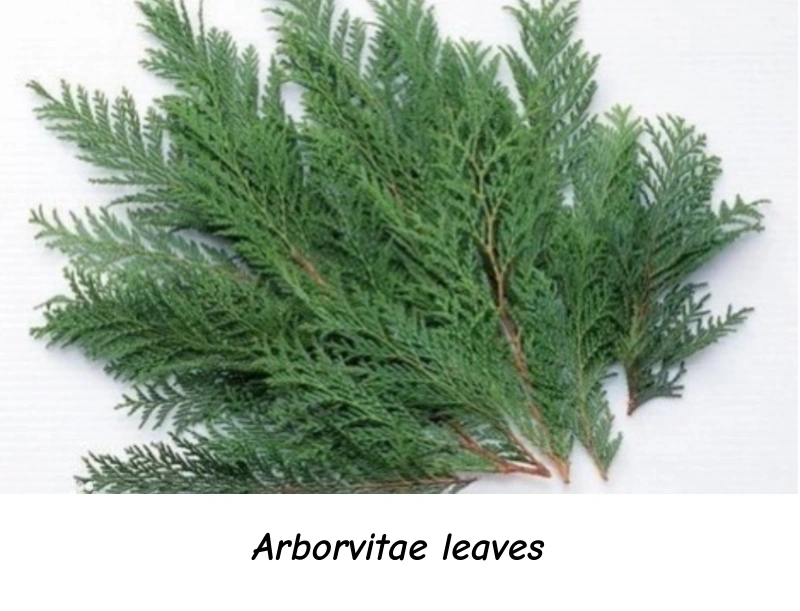
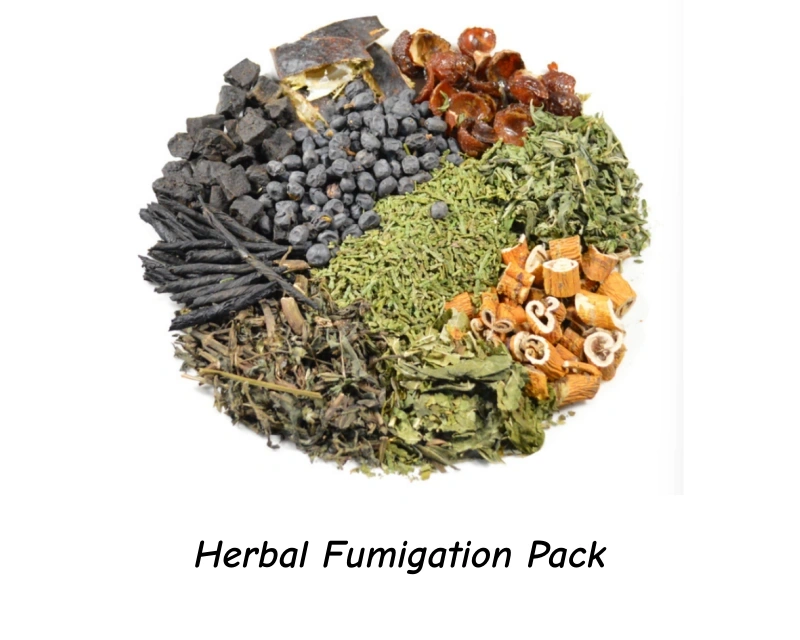
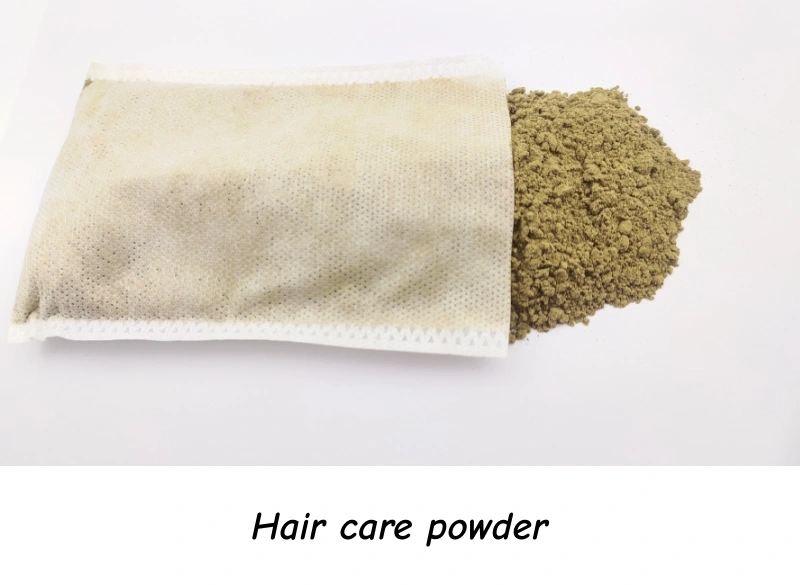
Fumigation and washing:Prepare 20g of fresh arborvitae leaves and 20g of mulberry leaves, wash them with clean water, then add water to a pot, put the prepared arborvitae leaves and mulberry leaves into the pot, and add 5g of angelica root. After the water boils, simmer over low heat for 20 minutes, then turn off the heat, pour the water into a basin, and when the temperature is suitable, you can wash your hair.
Arborvitae leaves and mulberry leaves can promote hair growth and darken hair, as well as cool the blood and stop bleeding, clear heat and moisturize dryness. They have a good effect on improving hair loss and gray hair caused by blood heat or excessive body heat. Angelica can promote blood circulation, remove blood stasis, nourish hair follicles, and promote hair growth.
External application: Mix 10g of arborvitae leaf powder, 10g of mulberry leaf powder, and 5g of angelica powder with honey or petroleum jelly to form a paste. Apply to the scalp and hair roots every night before bed, massage to promote absorption, and wash off the next day. This directly nourishes the hair follicles and improves thinning and oily hair.
(3)Hair follicle protection: Prevents damage and reduces loss of essence and blood.
Hair follicles are the foundation of hair growth, and once damaged, they are difficult to repair. In daily life, try to avoid various damaging factors to protect the health of hair follicles.
①Reduce dyeing and perming: The chemical components in dyeing and perming agents can irritate the scalp, damage hair follicles, and may also indirectly deplete qi and blood.
②Scalp protection: Keep the water temperature below 40℃ when washing your hair to avoid high temperature irritating the hair follicles; after washing your hair, gently pat it dry with a towel, avoid rubbing it vigorously, and let it air dry or blow dry on a low temperature to prevent the head from being exposed to wind and cold; wear a hat when going out to avoid strong sunlight exposure and wind and cold invading the scalp to reduce damage to the hair follicles.
③Avoid pulling: Avoid tying your hair in tight ponytails or buns, as this can damage hair follicles and cause hair loss and thinning. Try to keep your hair in a natural, loose state.
Lifestyle adjustments: Reduce energy expenditure, nourish vital energy, and consolidate hair regrowth effects.
Hair growth is closely related to daily routines, emotions, and exercise. Unhealthy lifestyle habits can continuously deplete the liver and kidney essence and blood, and damage the spleen and stomach functions.In this case, even internal and external treatments will be ineffective, and lifestyle adjustments need to be made simultaneously.
(1)Daily routine: Conserve energy and promote the production of essence and blood.
Avoid staying up late: Go to bed before 11 p.m. every night. Sufficient sleep can promote the production of essence and blood. Staying up late will directly deplete kidney essence and liver blood, leading to dry, gray, and falling hair.
Afternoon nap: Take a 15-30 minute nap every day to nourish the mind and spirit, replenish qi and blood, relieve the damage to the internal organs caused by daytime fatigue, and provide sufficient qi and blood support for hair nourishment.
(2)Emotional regulation: Soothe the liver and regulate qi, reduce internal friction.
Maintain a cheerful mood: Long-term anxiety, depression, and excessive thinking can lead to stagnation of liver qi, decreased spleen and stomach function, and depletion of qi and blood. Stress can be relieved through meditation, walking, practicing Tai Chi and Vajra Kung Fu.
Avoid extreme emotional fluctuations: Sudden fright, anger, and sadness can damage the kidneys and liver, directly depleting the essence and blood of the liver and kidneys, causing hair to turn white and fall out rapidly in a short period of time. Therefore, it is very important to learn to regulate and control emotions and reduce the damage of emotions to the internal organs.
Key principles and precautions
(1)Treatment should be tailored to the individual.
Hair problems have different root causes, and the treatment methods need to be chosen accordingly. For example, for those with liver and kidney deficiency, the focus is on nourishing the liver and kidneys; for those with spleen and stomach weakness, the priority is to strengthen the spleen and stomach; and for those with qi and blood stagnation, the focus is on promoting blood circulation and removing blood stasis. It is recommended to determine the constitution and develop a personalized plan under the guidance of a traditional Chinese medicine practitioner to avoid blind treatment.
(2)Persistence over the long term, gradual progress
Hair growth cycle is about 3-6 months, and we need to persist with treatment for 1-3 months or more to see obvious results,rather than rushing for quick results.
(3)Taking both symptomatic and root cause into account, combining internal and external approaches
Internal adjustment is fundamental, addressing the root causes of problems with the internal organs and blood and qi; external care is supplementary, optimizing the local environment of the head; and lifestyle adjustments are essential, reducing the depletion of essence and blood. All three are indispensable.
(4)Avoiding common pitfalls
Do not blindly take folk remedies or consume excessive amounts of certain foods (such as processed Polygonum multiflorum, which should be used under the guidance of a doctor, as excessive consumption may damage the liver); do not frequently change treatment methods, stick to one plan for a period of time, and then adjust it according to the effect.
Conclusion
Traditional Chinese medicine believes that thick, healthy black hair is an external manifestation of normal organ function, abundant qi and blood, and a balance of yin and yang, and is not simply a matter of treating the hair itself. It is necessary to regulate the internal organs, unblock the meridians, and optimize lifestyle to restore the body to its natural balance so that the hair can receive sufficient nourishment.Whether it’s preventing gray hair or hair loss, or improving thinning, dry, or oily hair, this principle must be followed. Long-term adherence and comprehensive conditioning are necessary to achieve healthy hair growth.